

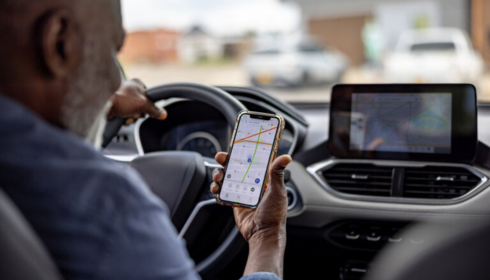
Through rideshare apps, residents of New York City experience convenient pickup times, cashless transactions, and don’t have to hail taxis when it’s raining outside. However, with the increase in ridesharing services like Uber and Lyft on the roads, there has been a rise in rideshare accidents. In case one finds himself caught up in a rideshare accident, then their first thought will usually be about who is responsible for it, and what is the need for a consultation from an accident lawyer NYC, someone most New York drivers and passengers turn to in such a scenario.
Why Rideshare Accidents Are Legally Different
In a standard car accident, liability usually comes down to one driver’s negligence. But rideshare cases introduce a third player: the company behind the app. In New York, companies like Uber and Lyft operate under regulations set by the New York State Department of Financial Services (DFS) and the Taxi & Limousine Commission (TLC). These rules require rideshare companies to carry significant insurance coverage, but here’s the catch: that coverage depends on what the driver was doing at the exact moment of the crash.
This creates three distinct “periods”:
- App off: The driver is using their car for personal reasons. Only their personal auto insurance applies.
- App on, waiting for a ride request: Limited rideshare company coverage kicks in (typically $75,000 per person for injury).
- Ride accepted or passenger in the car: Full commercial coverage applies up to $1.25 million in liability coverage.
So, if you were a passenger in a rideshare vehicle during an accident, the available compensation could be significantly higher than in a typical crash. But figuring out which policy applies often requires detailed evidence, like app logs and trip data.
Who Can Be Held Liable?
Liability in rideshare accidents is not the same in every case. It depends on the facts, and sometimes, more than one party shares responsibility.
1. The Rideshare Driver
If the driver was speeding, distracted, or violated traffic laws, they may be directly liable. For example, if your Uber driver ran a red light and caused a collision, their negligence is a key factor.
2. Another Driver
Sometimes, the rideshare driver isn’t at fault at all. If another vehicle caused the crash, that driver (and their insurer) may be responsible.
3. The Rideshare Company (Indirectly)
Uber and Lyft classify drivers as independent contractors, not employees. This limits direct lawsuits against the company. However, their insurance policies still play a major role in covering damages.
4. Third Parties
Sometimes, liability goes beyond the driver. Poor road maintenance, faulty vehicle components, even the local government’s failure to fix hazards can result in an accident.
The state of New York utilizes the comparative negligence doctrine (CPLR § 1411). As a result, your damages may be divided between the defendant and you. In case you are 20% to blame for the collision, your share of compensation will be lowered accordingly. The above statement explains why hiring a car accident lawyer in NYC is crucial.
What You Should Do After a Rideshare Accident
If you’re involved in a rideshare accident, whether as a passenger, pedestrian, or another driver, the steps you take early on can shape your entire case.
- Get medical attention immediately
Even if you feel okay, injuries like whiplash or concussions can take hours or days to appear. Prompt treatment also creates a medical record linking your injuries to the accident.
- Document everything
Take screenshots of your ride receipt, driver details, and trip route from the app. These can help prove which insurance coverage applies.
- Call the police and request a report
In NYC, a police report often becomes a critical piece of evidence, especially when determining fault.
- Notify the rideshare company
Both Uber and Lyft have in-app systems for reporting accidents. This creates an official record tied to your trip.
- Be careful with insurance communications
The settlement might come from several insurance providers: yours, the one from the driver, and perhaps from the rideshare provider as well. All of them will probably be trying to minimize their liability, which is why the assistance of a New York car accident lawyer will come in handy.
Timing matters, too. Under New York law, you generally have three years to file a personal injury lawsuit (CPLR § 214). But waiting too long can make it harder to gather evidence or track down witnesses.
Conclusion: Understanding Liability Puts You Back in Control
Rideshare accidents can feel confusing and, honestly, a bit overwhelming. You’re not just dealing with another driver; you’re navigating a system involving corporate insurance policies, state regulations, and overlapping responsibilities.
But here’s the reassuring part: once you understand how liability works, the situation becomes much more manageable. Whether the responsibility falls on a driver, a company policy, or multiple parties, there is a path to clarity and compensation.
If you’re dealing with injuries or uncertainty after a rideshare crash, you’re not alone in feeling stressed or unsure. These cases can be complicated, but they can be managed with the right information and approach. Taking things step by step and knowing what questions to ask can make all the difference in how your case unfolds.